

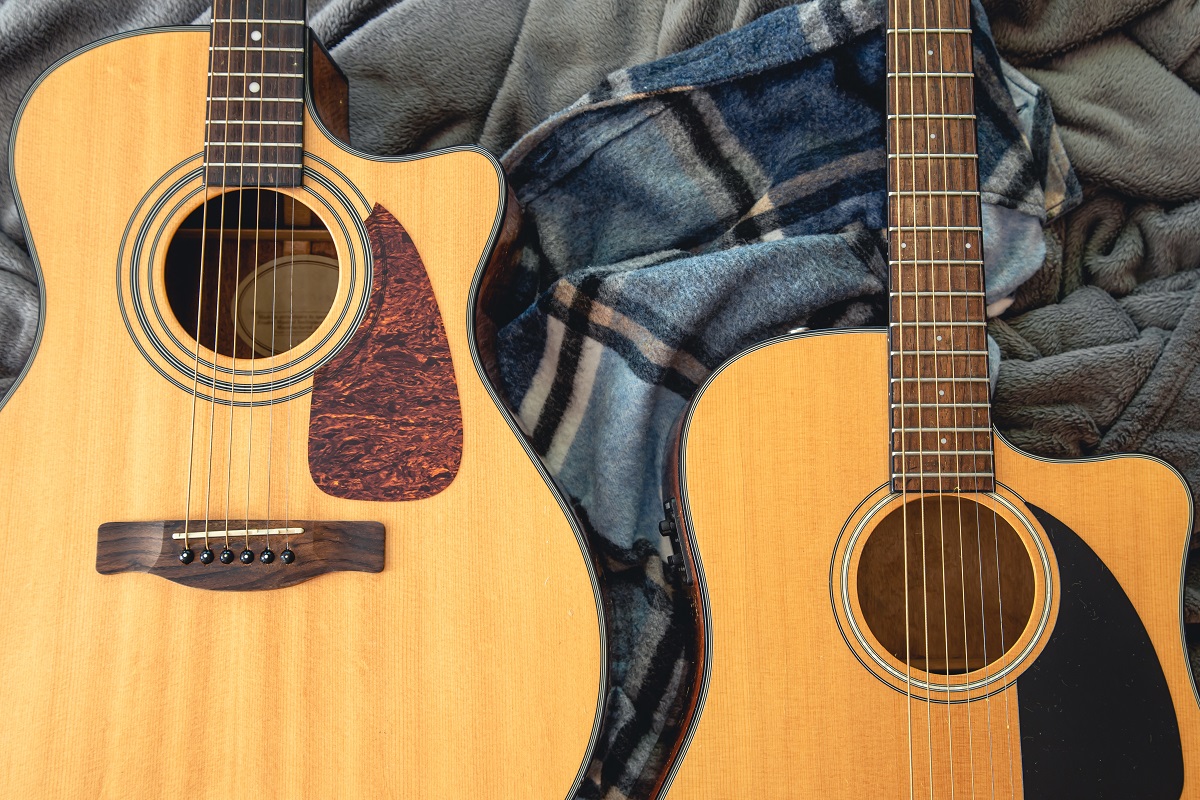
When it comes to crafting a high-quality acoustic guitar, few components matter more than the soundboard. As the main resonating surface of the instrument, the soundboard is responsible for shaping much of the guitar’s tone, projection, and overall response. Among the many types of wood used, Sitka spruce soundboards have become a gold standard for builders and musicians alike.
Table of Contents
- What is Sitka Spruce?
- Why Sitka Spruce Soundboards Are So Popular
- Understanding Guitar Soundboard Thickness
- Buying Sitka Spruce Guitar Soundboards Online
- How to Identify the Best Guitar Soundboards
- Caring for Your Sitka Spruce Soundboard
- Sitka Spruce vs. Other Guitar Soundboard Woods
- Custom Builds and Upgrades
- FAQs
- Can I buy high-quality guitar soundboards online?
- Are Sitka spruce soundboards suitable for beginners?
- What should I look for when browsing guitar soundboards for sale?
This guide will explore everything you need to know about Sitka spruce soundboards—from their tonal characteristics to how to choose the best one when searching for guitar soundboards for sale.
What is Sitka Spruce?
Sitka spruce is a type of coniferous tree native to the west coast of North America, particularly abundant in Alaska and British Columbia. It’s known for its impressive strength-to-weight ratio, which makes it an ideal material for applications where both lightness and structural integrity are required—such as aircraft construction and, more importantly for our purposes, musical instruments.
When processed properly, Sitka spruce becomes an incredibly resonant and dynamic tonewood. It’s a popular choice among luthiers (guitar makers) for the top part of an acoustic guitar—also known as the guitar soundboard.
Why Sitka Spruce Soundboards Are So Popular
There are several reasons why Sitka spruce soundboards dominate the market:
Tonal Balance
Sitka spruce offers a balanced tone that works well for various styles of playing. Whether you’re a fingerstyle guitarist or a heavy strummer, Sitka spruce provides clarity, warmth, and a wide dynamic range. This versatility makes it a go-to choice for both beginner and professional players looking for reliable guitar soundboards.
Projection and Responsiveness
One of the standout features of Sitka spruce is its ability to project sound. Its responsive nature means that it can translate even the lightest touch into audible tone, which is especially beneficial for expressive playing. This quality is what makes Sitka spruce one of the best guitar soundboards for both live performance and recording.
Durability
Sitka spruce soundboards are not just tonally pleasing—they are also durable. The wood’s high stiffness relative to its weight means it can withstand the tension of steel strings over time without warping or cracking. This reliability is crucial for anyone investing in a high-quality guitar soundboard wood.

Understanding Guitar Soundboard Thickness
When it comes to selecting the ideal guitar soundboard, thickness plays a critical role in shaping the tone and responsiveness of the instrument. Sitka spruce is strong enough to be planed to thinner dimensions without sacrificing strength. A thinner guitar soundboard can result in increased resonance and volume, while a thicker soundboard might emphasize sustain and durability.
Luthiers often hand-voice each soundboard to find the perfect balance between flexibility and stability. When browsing guitar soundboard online listings or considering custom builds, it’s helpful to ask about the specific thickness, as even slight variations can affect the guitar’s tonal qualities.
Buying Sitka Spruce Guitar Soundboards Online
With the rise of e-commerce, it’s now easier than ever to find Sitka spruce guitar soundboards online. Whether you’re a DIY guitar builder or simply looking to upgrade your instrument, reputable suppliers offer a wide range of options. When shopping, be sure to look for characteristics like:
- Quarter-sawn grain orientation for optimal strength and resonance
- Tight, straight grain patterns for aesthetic appeal and tonal consistency
- Minimal runout (when wood fibers run at an angle to the surface), which can affect both the tone and look
If you’re unsure where to start, look for retailers who specialize in tonewoods and offer detailed specifications, customer reviews, and expert consultation.
How to Identify the Best Guitar Soundboards
Not all Sitka spruce is created equal. To identify the best guitar soundboards, keep these points in mind:
Grade
Tonewood suppliers often grade their Sitka spruce based on aesthetics and structural integrity. Master grade wood will have the straightest grain, no knots, and excellent stiffness. AAA or AA grades may have some minor cosmetic imperfections but can still offer outstanding tonal performance.
Tap Tone
This refers to the sound the wood produces when tapped. A clear, ringing tap tone usually indicates high-quality resonance. While it’s difficult to assess this quality when buying guitar soundboards online, many premium sellers include sound samples or offer satisfaction guarantees.
Moisture Content
Properly dried guitar soundboard wood should have a moisture content of around 6-8%. Wood that’s too wet may shrink and crack, while overly dry wood can become brittle. Reliable sellers will kiln-dry or air-dry their stock to ideal levels.
Caring for Your Sitka Spruce Soundboard
Once you’ve invested in a guitar with a Sitka spruce soundboard, proper maintenance is key to preserving its tone and appearance:
- Humidity Control: Keep your guitar in an environment with stable humidity (ideally around 45-55%) to prevent the soundboard from swelling or cracking.
- Regular Cleaning: Use a dry microfiber cloth to remove dust and fingerprints. Avoid using harsh chemicals.
- Protect from Impact: Always store your guitar in a hard case when not in use. Even the best guitar soundboards can be damaged by physical trauma.
Sitka Spruce vs. Other Guitar Soundboard Woods
Sitka spruce often gets compared to other tonewoods like Engelmann spruce, Adirondack spruce, and cedar. While each has its strengths, Sitka remains a favorite for its:
- Wider dynamic range
- Balanced tonal output
- Strong projection capabilities
Engelmann spruce may offer a softer tone ideal for fingerstyle, while Adirondack provides more headroom for aggressive playing. However, Sitka’s versatility makes it the go-to for players of all styles looking for top-tier guitar soundboards.
Custom Builds and Upgrades
For guitarists seeking a truly unique instrument, custom builds offer the opportunity to select every component, including the guitar soundboard thickness and wood species. Sitka spruce is almost always offered by luthiers as a premium option for its all-around performance. Upgrading your existing guitar with a new soundboard is less common but possible with the help of a skilled luthier.
Whether you’re upgrading or starting from scratch, consider reaching out to professionals who understand the nuances of guitar soundboard wood. Their expertise can help guide you toward the right choice for your playing style and tonal preferences.
FAQs
What makes Sitka spruce a preferred wood for guitar soundboards?
Sitka spruce offers an excellent combination of strength, elasticity, and tonal balance. Its ability to handle a wide dynamic range makes it suitable for multiple playing styles, from light fingerpicking to aggressive strumming.
How do I choose the right guitar soundboard thickness?
The ideal thickness depends on your playing style. Thinner soundboards usually offer more responsiveness and volume, while thicker ones provide better sustain and structural durability. Consulting a guitar tonewood supplier can help you make the right choice.
Can I buy high-quality guitar soundboards online?
Yes, many reputable tonewood dealers offer Sitka spruce guitar soundboards online with detailed specifications, grain photos, and even audio samples. Make sure the retailer provides moisture content information and clear grading standards.
Are Sitka spruce soundboards suitable for beginners?
Absolutely. Sitka spruce offers a forgiving and versatile tone that helps new players develop their style while still satisfying the demands of more experienced musicians.
What should I look for when browsing guitar soundboards for sale?
Focus on the wood’s grain structure, moisture content, and grade. Quarter-sawn Sitka spruce with straight, tight grain and minimal defects will generally provide the best tonal quality and longevity.
If you’re serious about sound, exploring Sitka spruce soundboards is a great investment. Whether you’re crafting a custom instrument or simply upgrading, understanding what sets these guitar soundboards apart will help you make a more informed and satisfying choice.


